
Brands no longer buy it for life is one of the most useful searches you can run before spending money in 2026. The hard truth is simple: some brands that built their names on durability now sell cheaper versions riding old reputations. If you want gear that still lasts a decade or more, you need to know who slipped, why they slipped, and what to buy instead.
This list is built from current Reddit r/BuyItForLife discussions, repair data, warranty reality, and what people who actually maintain this stuff are saying in 2026.
How We Chose Brands No Longer Buy-It-For-Life
I used four filters:
- Consistent decline complaints in r/BuyItForLife threads (not one-off rant posts)
- Clear material/build changes from older generations
- Weaker warranty outcomes or lower repairability
- A better replacement brand that still earns trust
This is not a hate list. It is a buyer-protection list.
1) Pyrex (US soda-lime lines) became a gamble
Older Pyrex earned BIFL status with borosilicate glass. Modern U.S. Pyrex is commonly soda-lime glass. It is cheaper to produce, but less shock-resistant under abrupt temperature swings. Reddit threads keep repeating the same story: “my parents’ Pyrex lasted 30 years, mine shattered.”
What to buy instead:
If you can source genuine borosilicate imports, great. Otherwise treat modern glass bakeware as “durable if used correctly,” not invincible.
2) Timberland boots split the line, and quality became inconsistent
Classic Timberland models can still be decent. The issue is inconsistency across sub-lines and mass-market runs. BIFL users repeatedly call out thinner leather, glued construction on lower tiers, and shorter real-world lifespan versus older pairs.
What to buy instead:
Pay once for full-grain leather plus resolable construction, then resole for years.
3) Levi’s moved from “decade jeans” to “few-year jeans” in many lines
Vintage Levi’s still have a deserved reputation. Newer mainstream runs are a mixed bag, with more stretch blends and lighter fabric weights that fail faster at stress points. Reddit’s common verdict: still wearable, no longer automatic BIFL.
What to buy instead:
Look for heavier denim (12oz+) and less elastane if longevity is your goal.
4) KitchenAid mixers are still good, but not all are “buy once forever” now
The legacy reputation came from older metal-gear machines that tolerated abuse. Modern models vary more. Some lower lines use more plastic internals and are not as service-friendly. If you bake weekly, this matters.
What to buy instead (or choose carefully):
- Ankarsrum Original
- KitchenAid Professional 600 (higher tier, verify specs)
The problem is not the logo. The problem is buying the wrong sub-model based on old assumptions.
5) Stanley is bifurcating: legacy drinkware good, other categories uneven
The modern Stanley craze brought huge volume growth and broader category pushes. Some products remain excellent. Others are basic private-label quality with branding premium attached. “Stanley” no longer guarantees one standard across every product family.
What to buy instead by category:
- For bottles: Klean Kanteen, Zojirushi
- For hand tools: Estwing, Knipex
6) Whirlpool/Maytag/KitchenAid appliances: same corporate family, same modern failure patterns
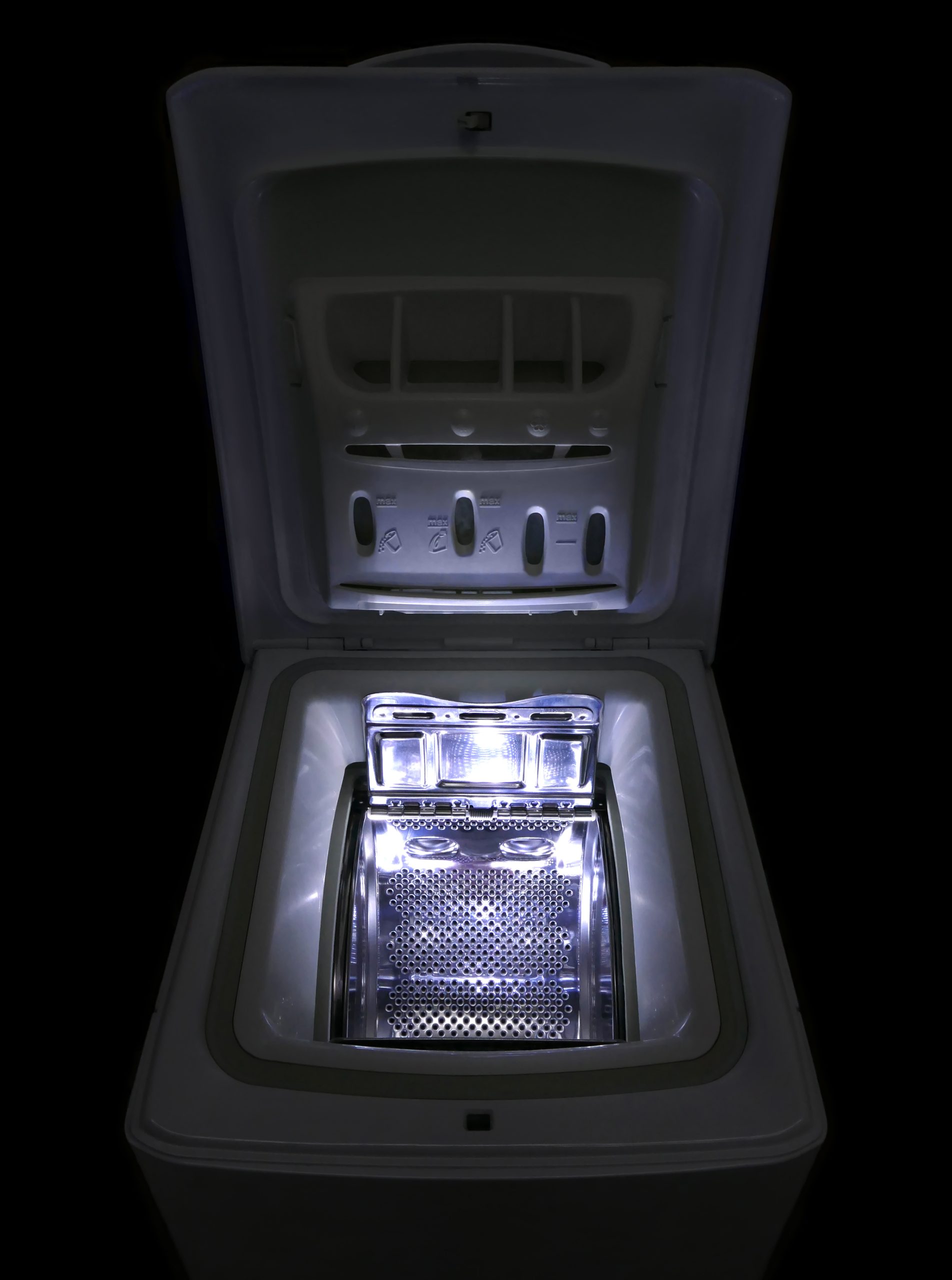
Large appliance reliability has dropped across the industry, not just one badge. But buyers still overpay for legacy nameplates assuming old-school durability. Repair technicians keep reporting similar weak points: control boards, sensors, and cost-heavy repair bills within 5-8 years on many models.
What to buy instead:
- Speed Queen TC5 washer
- Miele C1 vacuum (different category, but still a benchmark for repairable longevity)
If you care about lifespan, simpler mechanical designs usually beat feature-packed smart models.
7) Doc Martens: iconic style, but durability shifted by production era
Older Made-in-England pairs built the legend. Current global production pairs are more style-first for many buyers. The “lasts forever” claim is not consistently true anymore, especially under daily hard wear.
What to buy instead:
Same look category, much stronger long-term construction.
8) LL Bean and Eddie Bauer still make good pieces, but “auto-BIFL” is gone
These brands still offer useful products, but category sprawl changed the hit rate. You can get a durable item, then buy a weak one in the next aisle with the same logo. Reddit users who owned 90s-era pieces notice the difference quickly.
What to buy instead (when you need true BIFL):
What This Means for BIFL Shoppers in 2026
The playbook changed. You cannot buy by logo anymore. You buy by specific model, specific materials, and specific construction method.
Use this checklist before every purchase:
- Is it repairable with normal tools?
- Are replacement parts available?
- Is there a real warranty, or just “customer happiness” marketing?
- Do long-term owners (5+ years) still recommend this exact model?
- Would a repair tech personally buy it?
Real-World Cost Math: Why This List Saves Money
Let’s use boots as a quick example.
- Fast-fashion boots: $120 every 2 years = $600 over 10 years
- Resoleable boots: $330 once + two $120 resoles = $570 over 10 years
The long-lasting pair costs about the same, feels better, and avoids the replacement cycle. Over 15 years, the BIFL pair usually wins outright.
Same pattern with tools, cookware, and major home gear. Upfront sting, lower lifetime spend.
Price Reality Check: What People Actually Pay in 2026
One reason people keep buying weakened legacy brands is sticker shock. The better alternative often costs 30-120% more at checkout. That feels painful in the moment, but these are the typical numbers people are seeing right now:
- Boots: lower-tier heritage boot around $140-200, while a resolable Red Wing or Thorogood is usually $250-370.
- Mixers: entry stand mixer around $250-350, while heavier-duty models or Ankarsrum are usually $500-750.
- Cookware: thin nonstick sets under $150, while durable cast iron/stainless systems are often $200-600 spread over several pieces.
- Laundry: feature-heavy “smart” washers in the $700-1,300 range, while a Speed Queen TC5 often lands around $1,300-1,500.
The trap is obvious. The weaker product often looks like the value buy because it is cheaper today. But durability buyers are not shopping for a 24-month honeymoon period. They are shopping for years 5 through 15.
Why Good Brands Slide (And How to Catch It Early)
Most BIFL declines follow the same pattern:
- Brand equity gets monetized. The logo has trust built over decades, so the company expands into more categories.
- Spec cuts happen quietly. Slightly thinner materials, more glue, fewer replaceable parts, cheaper hardware.
- Marketing gets louder. More influencer coverage, more “iconic” storytelling, less technical detail.
- Support quality drops. Longer warranty turnaround, denied claims, and fewer service centers.
If you see all four signals at once, assume the old reputation is no longer enough.
A Better Buying Strategy Than “Top 10 Brand” Lists
Instead of asking “What is the best brand?” ask these model-level questions:
- What is this exact model’s failure mode after 3+ years?
- Can I buy common replacement parts without using a proprietary service channel?
- Are teardown videos or independent repairs easy to find?
- Did this model change factories, materials, or design in the last 2 years?
This approach is boring, but it works. The people who never get burned by quality decline are usually the people who read repair forums before they buy.
The 2026 Avoid List (Quick Version)
- Pyrex (modern U.S. soda-lime assumptions)
- Lower-tier Timberland lines
- Stretch-heavy Levi’s lines
- Entry KitchenAid models bought on old reputation
- Stanley outside known strong categories
- Feature-heavy major appliances sold as “premium” but hard to repair
- Mass-market Doc Martens for hard daily use
- Logo-first heritage shopping without model-level research
What to Buy If You Want True Buy-It-For-Life Right Now
- Estwing E3-16C hammer
- Lodge 10.25″ cast iron skillet
- Darn Tough 1466 socks
- Red Wing Iron Ranger 8085
- Speed Queen TC5 washer
These are not the cheapest picks. That is exactly why they work.
Quick FAQ
Should you avoid these brands completely? Not always. The smarter move is avoiding weak lines and buying only proven models with clear repair paths.
How do you verify a model before buying? Check Reddit ownership threads, search for 3-5 year update posts, and look up parts diagrams before checkout. If parts are impossible to find, skip it.
Is a longer warranty enough? No. A long warranty with poor claim support is mostly marketing. You want both strong warranty terms and easy service execution.
Are expensive products always more durable? No. Some expensive products are mostly branding. But very cheap products almost always cut materials and service support. The sweet spot is proven mid-to-premium models with documented longevity.
Bottom Line
Brands no longer buy it for life is not cynicism, it is adaptation. Some brands improved, some stayed solid, and some traded long-term trust for short-term margin. Your edge is refusing to shop by nostalgia.
Shop by model. Shop by materials. Shop by repairability. That is how you still win the buy-it-for-life game in 2026.
Further reading on buyfor.life:
- Products Companies Killed Because They Lasted Too Long
- Brands With Lifetime Warranties That Actually Honor Them
- Best Buy-It-For-Life Cast Iron Skillet
- Is the Estwing Hammer Truly BIFL?
Sources: