
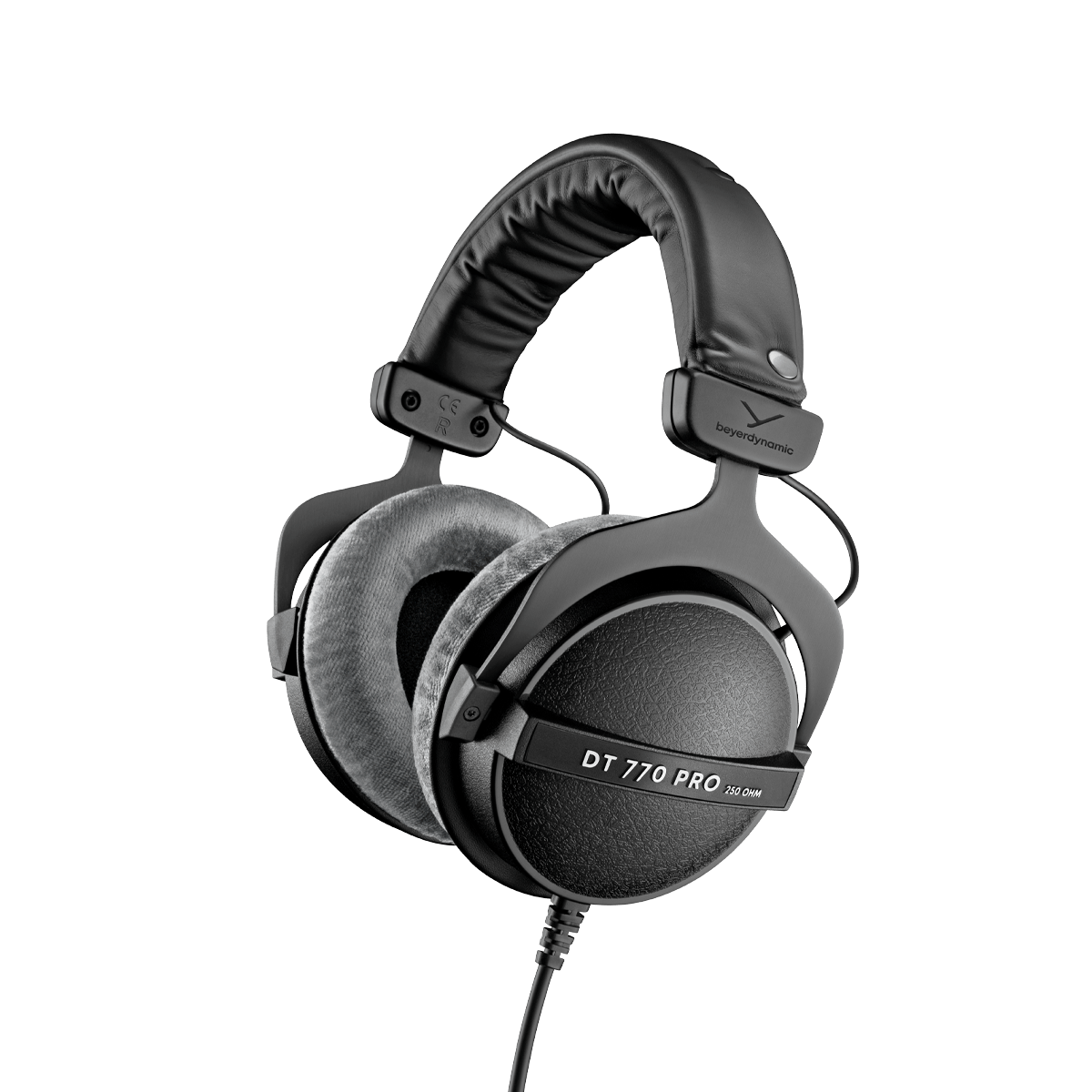
If you want repairable headphones that actually last, buy the Beyerdynamic DT 770 Pro 80 Ohm and stop pretending sealed-battery wireless cans are a long-term purchase. Beyerdynamic sells the DT 770 Pro for $199.99 direct, still builds it in Germany, and explicitly says the components are replaceable. That is what buy-it-for-life looks like in audio: pads you can swap, a headband cushion you can replace, and a design that expects wear instead of dying from it.
If you want an open-back home-listening pick instead, buy the Sennheiser HD 600. It is expensive at $499.95 direct from Sennheiser, but it is still one of the safest long-haul headphone bets on the market. If you want the cheapest legitimate answer, buy the Koss Porta Pro at $49.99 and use the warranty if you ever manage to kill it.
This refresh looks at the stuff that actually matters: parts support, wear-item pricing, common failure modes, and which models are still worth buying in 2026 if your goal is ten years, not ten months.
What makes repairable headphones worth buying?
Most headphones do not fail because the drivers suddenly explode. They fail because the pads flake, the cable crackles, the battery falls off a cliff, or the hinge snaps and the brand would rather sell you the new model than one $18 part.
Good repairable headphones solve that in four ways:
- Replaceable wear parts. Pads, headband cushion, and cable should be normal maintenance items, not a death sentence.
- Real parts support. A brand should have a spare-parts page or at least an obvious service path before you buy.
- Screw-first construction. Screws and clips age better than glue and decorative plastic tabs.
- A boring professional track record. Studio headphones are usually the best buy-it-for-life play because working people keep using them for years and complain loudly when a brand cheaps out.
That is also why most wireless models miss the cut. iFixit’s wireless headphone repairability coverage keeps landing on the same problem: glued ear cushions, cramped internals, and batteries that turn an otherwise fine headphone into e-waste. If your priority is lifespan, wired still wins.
Best repairable headphones that actually last
1. Beyerdynamic DT 770 Pro 80 Ohm
Price: $199.99 direct from Beyerdynamic
Best for: the one-pair answer
Why it wins: replaceable pads, replaceable headband cushion, decades-long studio history, and a manufacturer that still talks openly about spare parts.
The DT 770 Pro is the boring winner, which is exactly what you want in a BIFL pick. Beyerdynamic has kept this platform alive forever, still describes it as a studio legend, and says the components are replaceable. The soft velour pads are one of the big reasons people keep these for years instead of months. They breathe better than cheap pleather, they are comfortable for long sessions, and when they flatten out you replace them and move on.
The only real downside is the fixed cable. I would prefer a detachable cable on a true lifetime pick. Even so, the DT 770 Pro still beats most rivals because the rest of the ownership equation is so strong. People keep these in studios, home offices, and edit bays because they survive abuse and the brand still supports them.
Check DT 770 Pro prices on Amazon
2. Sennheiser HD 600
Price: $499.95 direct from Sennheiser
Best for: open-back home listening and mixing
Why it lasts: the HD 600 line is still alive, the cable swaps easily, replacement pads are everywhere, and Sennheiser still sells it with a 2-year manufacturer warranty.
The HD 600 is the high-confidence buy for people who listen at a desk, in a studio, or anywhere sound leakage is not a problem. It has been around long enough that the platform itself is the proof. You do not keep a reference headphone alive for this long unless the design works and the parts ecosystem keeps working.
There is one catch: this is not a casual throw-it-in-a-backpack headphone. The open-back design is the reason it sounds natural, and also the reason it is a bad subway or office pick. Buy it because you want a long-term home headphone, not because you want one headphone for every situation.
3. Shure SRH840A
Price: usually around $150, with a Shure UK RRP of £155
Best for: buyers who want an easy-maintenance closed-back without spending DT 770 money on every accessory
Why it belongs: Shure sells replacement earpads for £23 and a replacement coiled cable for £23, which is exactly the kind of boring service path you want to see.
The SRH840A is not the cult favorite that the DT 770 Pro is, but it deserves more respect than it gets. Shure built it for monitoring, gave it a detachable locking cable, and still sells the basic wear parts separately. That matters more than hype. You cannot call something repairable if the first worn pad turns it into a scavenger hunt.
It is also one of the more practical picks here for people who want closed-back isolation without Beyerdynamic’s brighter, more analytical tuning. If you care more about sane ownership than forum flexing, it is a good buy.
Check SRH840A prices on Amazon
4. Sony MDR-7506
Price: usually around $100 to $120
Best for: budget buyers who still want a real studio classic
Why it lasts: this thing has lived in broadcast and recording setups forever, and Sony still markets it as professional gear used daily in studios.
The MDR-7506 is the old Honda Accord of headphones. It is not glamorous. Nobody buys it to show off. People buy it because it keeps working, folds small, and does the job. Pads wear out, but pads are supposed to wear out. Replace them and keep going.
The fixed cable is the weak point, same as the DT 770 Pro. Still, at this price, the service history matters more than the spec-sheet fantasy. If your budget caps out around a hundred bucks and you want something proven instead of trendy, this is the safe pick.
Check MDR-7506 prices on Amazon
5. Koss Porta Pro
Price: $49.99 direct from Koss
Best for: the cheapest real repairable-headphone answer
Why it stays on the list: Koss still sells replacement ear cushions for $5 and backs wired models with its Limited Lifetime Warranty.
Porta Pro is not a luxury build. It looks fragile because it kind of is. But this is the rare cheap headphone that still makes long-term ownership sense because the parts are cheap, the model never seems to die, and the warranty is famous for a reason.
If your goal is absolute durability under hard abuse, buy the Beyerdynamic instead. If your goal is to spend fifty bucks on something you can keep alive without drama, the Porta Pro still makes more sense than a disposable Bluetooth fashion headphone.
Check Porta Pro prices on Amazon
Why I am not recommending wireless as your main BIFL pair
This is the part people do not like hearing. Wireless headphones are convenient. They are also usually terrible buy-it-for-life products. The battery is a consumable, and in most mainstream ANC models it is buried inside a shell full of adhesive, ribbons, and plastic clips.
That does not mean wireless is bad. It means wireless is usually a secondary convenience purchase, not your one forever pair. If you buy a $300 wireless model every four years, you are at $900 over twelve years before tax. Buy a DT 770 Pro once at $199.99, replace pads twice, and you are still dramatically ahead on cost and waste.
If you want a second pair for flights, fine. Just stop calling it buy-it-for-life.
The failure points that actually matter
Ear pads
This is normal maintenance, not a flaw. Flattened pads wreck comfort and can change tuning. On something like the Porta Pro, the fix is literally a $5 part. On better over-ear models, it is still cheap compared with replacing the whole headphone.
Headband cushion
This is the silent killer of comfort. People put up with a tired headband for months, then decide the entire headphone is “done.” Bad move. Replace the cushion and keep going.
Cable failure
Detachable cable models have the advantage here. If the cable is fixed, baby the strain point where it enters the cup and do not wrap it like you are trying to choke it. iFixit’s headphone repair hub makes the same first suggestion over and over: if one side goes dead, check or replace the cable first.
Battery decline
This is the reason most wireless pairs never earn BIFL status. Once battery life tanks, the rest of the headphone can be fine and you still have a dead product.
How to shop for repairable headphones before you buy
Do this before checkout, every time:
- Open the official support page and make sure pads are sold right now.
- Check whether the cable is detachable or fixed.
- Look for a headband pad or cushion part number.
- Search the model name plus “spare parts” and “repair” before you buy.
If that sounds like too much work, remember what the alternative is: buying another pair in three years because the first one had one stupid failure point the brand never planned to support.
Good starting points: Beyerdynamic spare parts, Sennheiser service, and iFixit’s headphone repair hub.
That same logic is why old-school gear still survives in other categories. If you like that ownership mindset, read our guide to vintage electronics still worth buying and the list of products companies killed because they lasted too long. Durable products usually look conservative on day one and brilliant on year seven.
Repairable headphones that actually last: blunt verdict
The best repairable headphones that actually last are still wired, parts-supported models from boring pro-audio brands. Buy the Beyerdynamic DT 770 Pro 80 Ohm if you want the safest all-around ownership bet. Buy the Sennheiser HD 600 if you listen at home and care more about open-back sound than portability. Buy the Koss Porta Pro if your budget is tight and you still want something with a real warranty story.
Do not overcomplicate this. Pads and cables should be cheap. Parts should be visible before checkout. Batteries should stay out of the equation if lifespan is the goal. If a headphone fails that test, it is not buy-it-for-life, no matter how premium the box looks.
If you are also building out a desk setup that lasts, pair this article with our Shure SM7B microphone guide. One reliable signal chain beats a pile of disposable gadgets every time.