You’ve bought this slipper before. Thirty dollars on Amazon, memory foam sole, synthetic sherpa lining — soft for about six weeks, then you’re shuffling around on compressed cardboard. By spring you throw them out. By fall you’re back buying another pair. Repeat for a decade and you’ve spent $250 on trash.
The best buy-it-for-life slippers solve this with one ingredient: real wool. Felted or boiled wool is dense, temperature-regulating, moisture-wicking, and it conforms to your foot over time instead of bottoming out. It’s why r/BuyItForLife has pointed to the same handful of brands for years, and why some people are still wearing their first pair a decade later.
Here’s what actually lasts.
What Separates a BIFL Slipper from Everything Else
Most slipper marketing is noise. “Premium comfort” means nothing. Here’s what actually matters:
Material. Felted or boiled wool is the gold standard — denser than woven fabric, breathable year-round, holds its shape. Genuine sheepskin (UGG) is a legitimate second option with real durability data behind it. Synthetic sherpa fleece goes flat in three months. “Memory foam” compresses permanently and doesn’t come back. If the upper isn’t natural fiber, move on.
Sole type. Rubber sole handles tile, hardwood, damp floors, and brief outdoor use — best for most people. Leather sole is quieter underfoot but strictly indoor. Open (raw wool) sole is most breathable but wears fastest. Which type you need depends entirely on your floors and whether you ever step outside to grab the mail.
Fit. Real wool slippers should feel snug when new. The fiber compresses and conforms to your foot over the first week or two. If they feel roomy in the store, they’ll flop around by month two.
Glerups: The Clear BIFL Winner
Price: $95–$120 | Origin: Denmark | Sole options: Rubber, Leather, Open
Glerups has been making the same wool slipper for over 30 years. The founder, Nanny Glerup, made the first pair as a gift for her husband. That origin story is charming; the more relevant fact is that the design hasn’t needed updating in three decades.
The material is a proprietary blend of Danish and New Zealand wool — itch-free, dense enough to hold shape, breathable enough that Wirecutter’s long-term tester wears them through Los Angeles summers without overheating. They’re the consensus pick across r/BuyItForLife slippers threads from 2020 through January 2026. That kind of sustained community agreement doesn’t happen accidentally.
Which sole to buy:
- Rubber sole (~$95–105): Best for most people. Handles brief outdoor use, tile, hardwood, damp floors. Easiest to clean. If you don’t know which to pick, this is it. Check current prices on Amazon
- Leather sole (~$95–105): Quieter on hardwood, softer feel underfoot. Indoor only — keep them dry. If you have nice floors you want to protect, the leather sole is worth it. Check current prices on Amazon
- Open sole (~$85–95): Raw wool bottom — purest indoor experience, most breathable. For carpeted rooms only. Wears down faster than rubber or leather.
From one owner in the r/BuyItForLife thread: “I wash mine on delicate at the end of every March, air dry in the sun. They come out like new every time. I wouldn’t be surprised if they last 10+ years.”
The more realistic take from heavy daily wear on hard floors: 5–7 years. Still five times better than cheap alternatives, and at ~$100 you’re paying $15–20 per year. A September 2025 Glerups thread on Reddit had a user report their first pair had finally given out after five years — their response was to immediately order a second pair.
Sizing: Glerups uses EU sizing. Order your true EU size — they start snug and relax to your foot within a week. Don’t go up a size.
→ Glerups boot version on Amazon (for cold ankles)
Kyrgies: The All-Natural, Zero-Drop Option
Price: $85–$104 | Made by: Artisans in Kyrgyzstan | Sole: Chrome-free leather or rubber
Kyrgies uses 100% wool felt made using centuries-old techniques — water, soap, and low-impact dyes. No synthetic binders, no plastic. The slipper is fully biodegradable. If you have chemical sensitivities or care about the full supply chain, Kyrgies is the only major BIFL slipper brand that clears every bar.
GQ reviewed them in March 2025: “might as well be glued to my feet.” The zero-drop leather sole is the standout detail — it keeps you close to the ground rather than elevated on a thick foam platform, which is better for foot mechanics over time.
One confirmed quirk: the leather sole can transfer slight dye to socks during the first week of wear. It fades. Don’t let it be a dealbreaker.
At $85–104, Kyrgies and Glerups overlap on price. The choice comes down to what you’re optimizing for: Kyrgies wins on materials purity and zero-drop construction; Glerups wins on rubber sole availability and a longer community track record.
UGG Tasman and Scuff: Legitimate Durability, Different Material
Price: $100–$135 | Made in: China | Material: Genuine sheepskin
UGG is a contested name in BIFL circles. Not wool, made in China, priced like a quality item — there are reasons for skepticism.
The real-world data is hard to dismiss though. December 2023 on r/BuyItForLife: “I’ve worn these UGG slippers for 7 years and they’re the best I’ve ever had. BIFL for sure. No other slippers of mine have lasted more than 2 years.” December 2025: “By far the most durable and most comfortable slipper out of 5 or 6 I have tried. The UGG Tasman is what I’ll be buying again once these eventually bite the dust.”
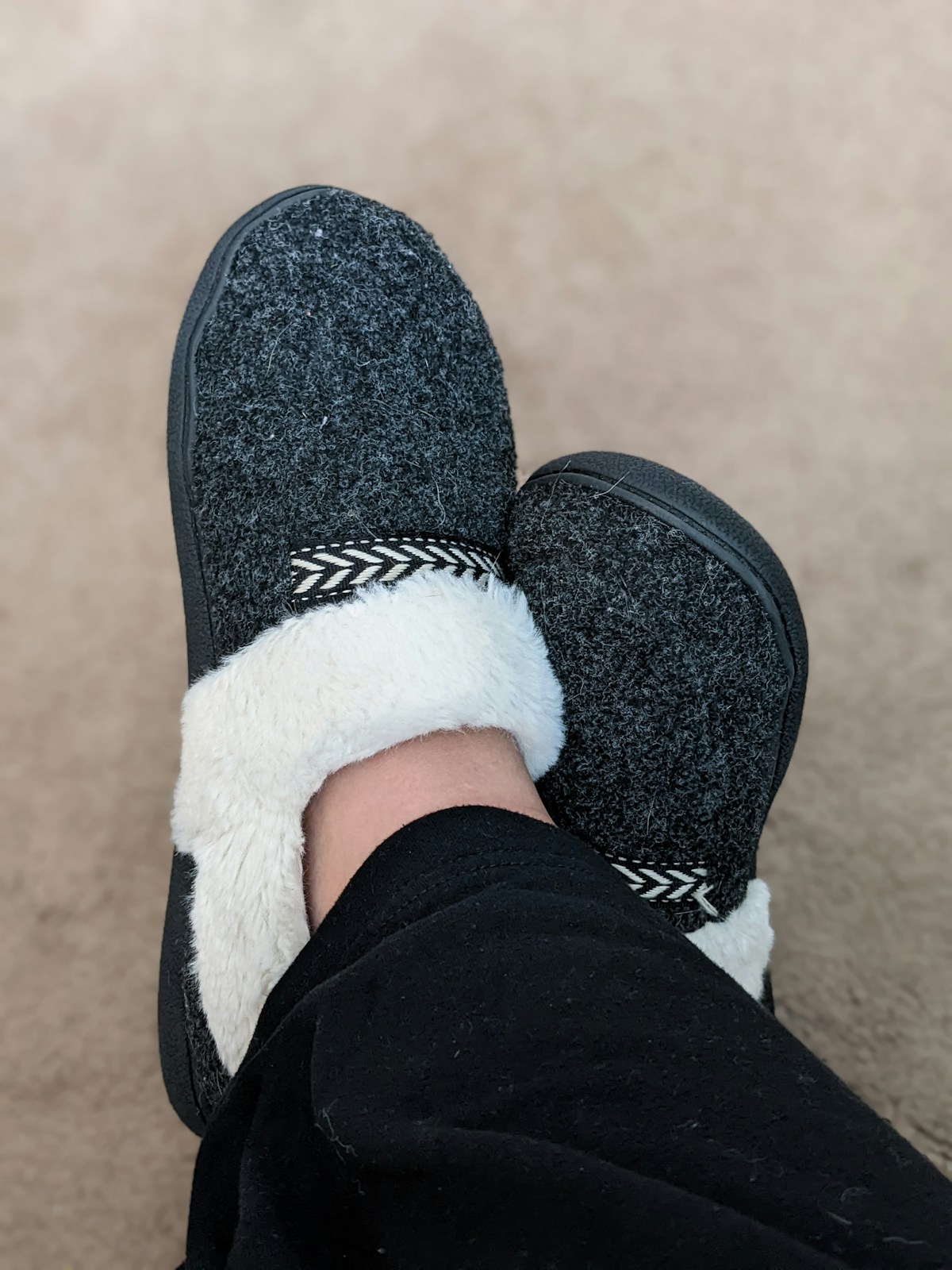
The Scuff ($100) is a closed-toe mule with a rubber outsole — low profile, good traction, can handle a quick step outside. The Tasman ($110) adds a woven braid accent and slightly more structure. Both use genuine sheepskin lining.
If you prefer sheepskin to wool, or want a mainstream brand with easy returns and wide availability, UGG Scuff or Tasman earns that recommendation. Seven years of real use from multiple owners isn’t hype — it’s data.
Haflinger: Good Slippers, Not Forever Slippers
Price: $60–$80 | Made in: Germany | Material: Boiled wool
Haflinger is German, uses boiled wool, and shows up in many BIFL conversations. On paper: checks the boxes.
The community data tells a more specific story. From a November 2024 r/BuyItForLife thread on Haflinger seams: “I like Haflingers but they are not BIFL. The felt degrades over time and loses its shape.” Another user: “A pair of either type only lasted me two years maximum. The wool seams fall apart eventually and holes develop near the front.”
Two years beats cheap Amazon slippers. But Glerups regularly gets 5–10 years from the same price range, and the community knows it. Buy Haflinger if you want solid German-made wool slippers for a few years. Don’t expect them to be the last pair you buy.
The Crocs Answer
A January 2026 r/BuyItForLife thread: “Mens slippers — Tried Glerups, too cold for my floors.” Top answers included Crocs + wool socks and Geisswein woolen slippers (German brand, ~$60–80).
Crocs (Lined Clog, ~$50–60) are not BIFL. EVA foam compresses over 3–5 years and doesn’t bounce back. But they solve a specific problem: tile or concrete floors in cold climates where you need insulation from below, not just warmth from above. If that’s your floor situation, Crocs + a quality wool sock is a real option — it’s just not a BIFL investment.
If cold floors are actually the problem, the real BIFL answer is Glerups rubber sole (thicker floor insulation than leather or open versions) or UGG Tasman (chunkier midsole than most wool slippers). Both insulate from the floor better than a thin-soled wool option on cold tile.
How to Make Wool Slippers Last Longer
Real wool slippers don’t require much — but there are a few things that will kill them faster than normal wear:
- Getting them soaking wet: Damp is fine; submerged ruins them. If they get wet, stuff with newspaper and dry at room temperature — never in a dryer or by a radiator.
- Wearing them on rough concrete: Even rubber-soled Glerups aren’t meant for sidewalks. Driveway to mailbox is fine. Daily outdoor use is not.
- Skipping the annual wash: Glerups can go in on a delicate cycle in a mesh laundry bag, cold water, wool detergent. Air dry flat. This resets them every year and keeps the wool from matting.
- Buying the wrong size: Too large = folds and creases at the toe that wear through faster. Too small = compressed wool that loses structure. Order true EU size for Glerups.
The Cost Math
Cheap Amazon slipper, $25, replaced once a year: $250 over a decade. If you wear slippers seriously (8+ hours most days), you might go through two pairs a year — so call it $375–500.
Glerups rubber sole (~$100): 7–10 years of daily wear. Over a decade, one to two pairs. Total: $100–200.
UGG Tasman ($110): Seven years per multiple owner reports. Over 10 years, roughly one and a half pairs. Total: ~$165.
The savings here aren’t as dramatic as a BIFL rain jacket that replaces four $80 jackets, or BIFL selvedge denim that outlasts five pairs of Levi’s. But the math still wins, and the comfort gap between a $100 Glerups and a $25 Amazon slipper is significant. You also stop throwing things away every year, which is the actual point of buying for life.
The same rule applies across your wardrobe — natural fiber t-shirts, boots, everything you use daily. Better materials once beats cheap materials forever.
The Short Version
For most people: Glerups rubber sole slip-on (~$95–105). True EU size. Snug for a week, perfect after that. Wash delicate once a year. You’re done for at least five years, probably more.
All-natural, zero-drop preference: Kyrgies ($85–104). Handcrafted, biodegradable, no synthetics. Note the sizing quirk and the early dye transfer.
Sheepskin over wool: UGG Scuff or Tasman ($100–110). Legitimate 7-year durability data from real owners.
Cold tile floors: Glerups rubber sole (more ground insulation) or UGG Tasman (thicker midsole) — not Crocs.
Five years of consistent r/BuyItForLife recommendations pointing at the same brand means the product is actually delivering. Glerups is where to start.