
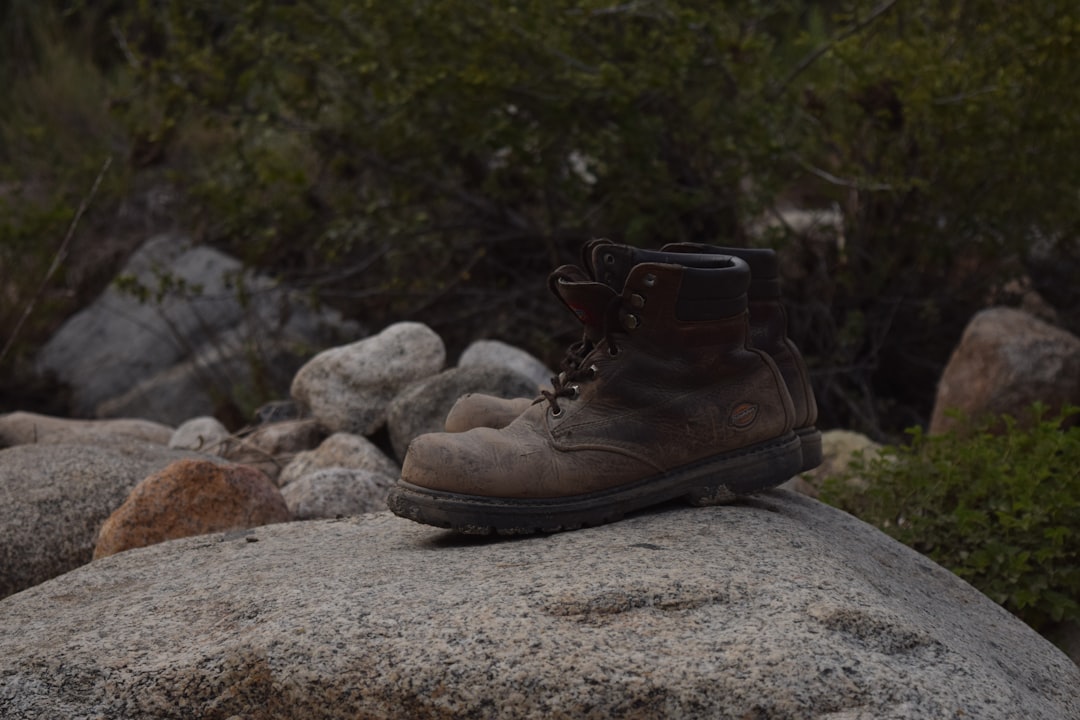
The allure of a well-made leather boot is undeniable. It’s a piece that transcends fleeting fashion cycles, offering a tangible connection to craftsmanship and enduring style. For the discerning investor, particularly those seeking value in tangible assets that possess intrinsic worth and potential for longevity, the humble leather boot can offer a surprisingly insightful microcosm of broader market principles. While the term “Timeless Leather Boots: Built to Last” might evoke images of heritage brands and artisanal workshops, the underlying concept resonates with investment strategies focused on quality, durability, and consistent demand. This article will explore the attributes that make certain leather boots investment-worthy, drawing parallels to fundamental investment principles and examining the market landscape through the lens of lasting value.
The first and most crucial element in assessing the value of any leather boot is its foundational construction. Just as a sound investment portfolio is built on a bedrock of solid assets, a durable boot relies on superior materials and meticulous craftsmanship. The type of leather used, the tanning process, and the methods employed in stitching and sole attachment are all critical indicators of a boot’s potential lifespan and its ability to retain value over time.
Understanding Leather Grades and Tannages
The quality of leather is not a monolithic concept; it is a spectrum. Full-grain leather, the outermost layer of the hide, is widely considered the highest quality. It retains all of the natural grain and markings, including imperfections that contribute to its unique character. This type of leather is exceptionally strong and develops a beautiful patina with age, much like a blue-chip stock that appreciates in value through consistent performance. Unlike corrected-grain or top-grain leathers, which have been sanded or buffed to remove imperfections, full-grain leather offers superior breathability and durability. Its inherent strength means it is less prone to cracking or tearing, providing a robust shield against the elements.
Chrome tanning, a prevalent method in modern leather production, offers water resistance and suppleness. However, for boots intended for extreme wear and long-term resilience, vegetable tanning is often preferred. This traditional process utilizes natural tannins from plants and trees. While it can be more labor-intensive and result in a stiffer leather initially, vegetable-tanned leather is known for its exceptional strength, durability, and ability to mold to the wearer’s foot. It also possesses a rich, natural aesthetic that often darkens and deepens beautifully with exposure to sunlight and wear, a visual testament to its aging process, akin to how seasoned investors develop a deeper understanding of market cycles.
The Craft of Construction: Stitching and Soles
Beyond the leather itself, the methods of assembly are paramount. A boot’s ability to withstand stress and maintain its integrity hinges on its construction. Hand-stitched uppers, while less common and more costly, represent the pinnacle of bootmaking. This method allows for greater flexibility and a more precise fit, ensuring that the leather is not overly stressed during the sewing process.
Welt construction is another critical indicator of durability, particularly the Goodyear welt. This technique involves a strip of leather (the welt) that is stitched to the upper and the insole, and then the outsole is stitched to the welt. This creates a strong, flexible, and waterproof bond. Crucially, Goodyear-welted boots can be resoled multiple times, extending their lifespan almost indefinitely. This resoleability is a significant factor in their long-term value, mirroring the concept of reinvesting dividends or capital gains to fuel further growth in an investment. Other methods like Blake stitching offer a sleeker profile but are generally less durable and harder to resole.
The sole material also plays a significant role. Thick, high-quality rubber soles, often from brands like Vibram, offer excellent traction, shock absorption, and wear resistance. Leather soles, while classic and aesthetically pleasing for dressier boots, are generally less durable and more susceptible to water damage unless properly maintained and protected. The integration of these components – the leather, the tanning, the stitching, and the sole – forms the structural integrity of the boot, much like the diversified assets and risk management strategies that underpin a robust investment portfolio.
Enduring Silhouettes: The Classics Remain
In the dynamic world of fashion, trends come and go with dizzying speed. However, certain boot styles possess an innate timelessness that allows them to transcend seasonal shifts and remain relevant for decades. These are the styles that, much like established blue-chip companies, have weathered market fluctuations and continue to command respect and demand. Investment-worthy boots are often those that embody these enduring silhouettes, demonstrating a consistent appeal that is less susceptible to the whims of fickle taste.
The Perennial Appeal of the Chelsea Boot
The Chelsea boot, characterized by its elastic side panels and ankle height, is a prime example of a classic that never truly goes out of style. Its sleek, minimalist design makes it incredibly versatile, transitioning effortlessly from casual weekend wear to more formal occasions. This adaptability is a key element of its enduring value. The simplicity of its form means it pairs well with a wide range of outfits, from jeans and chinos to suits. The emergence of dressier black leather Chelsea boots in forecasts for winter 2026 underscores their perennial status as a reliable and stylish choice, aligned with the enduring influence of classic menswear. Their understated elegance makes them a safe bet for those seeking pieces that offer consistent sartorial returns.
The Robust Utility of the Biker Boot
The biker boot, another enduring icon, embodies a spirit of ruggedness and rebellion that has captivated for generations. Its sturdy construction, often featuring buckles, straps, and a robust sole, speaks to its utilitarian origins. For winter 2026, predictions favor classic black leather biker boots for their inherent utility and high demand. Variations in heels and toes offer avenues for personal expression within this classic framework, but the core design remains a testament to practical durability. The biker boot is more than just footwear; it’s a statement of resilience and self-reliance, much like an investment in a company with a proven track record of navigating economic downturns. Its inherent toughness ensures it can withstand the rigors of daily wear, making it a pragmatic choice for those who value longevity and functional style.
The Graceful Dominance of Tall Leather Boots
Investment-worthy tall boots, particularly those that fall below the knee, are positioned as long-lasting staples. In winter 2026, classic leather colors and detailing, such as pull-on styles or those featuring buckles and zippers, are highlighted. This emphasis on below-knee styles suggests a preference for classic proportions and functional design elements that contribute to their enduring appeal. These boots offer a substantial presence and a degree of protection, making them practical for colder weather while maintaining a sophisticated aesthetic. Their ability to elevate an outfit, whether worn with skirts, dresses, or even layered over slim trousers, contributes to their versatility and thus their inherent value.
A significant trend revival is also observed in thigh-high and over-the-knee leather boots. Styles like the Stuart Weitzman 5050 are mentioned for their enduring appeal across a multitude of outfits. This resurgence suggests that even more dramatic silhouettes can achieve a level of timelessness when executed with quality materials and a design that flatters and adapts. These styles, when crafted from premium leather, offer a bold yet elegant statement that can dramatically enhance a wardrobe, providing significant visual return on investment.
The Subtle Sophistication of Slim Silhouettes
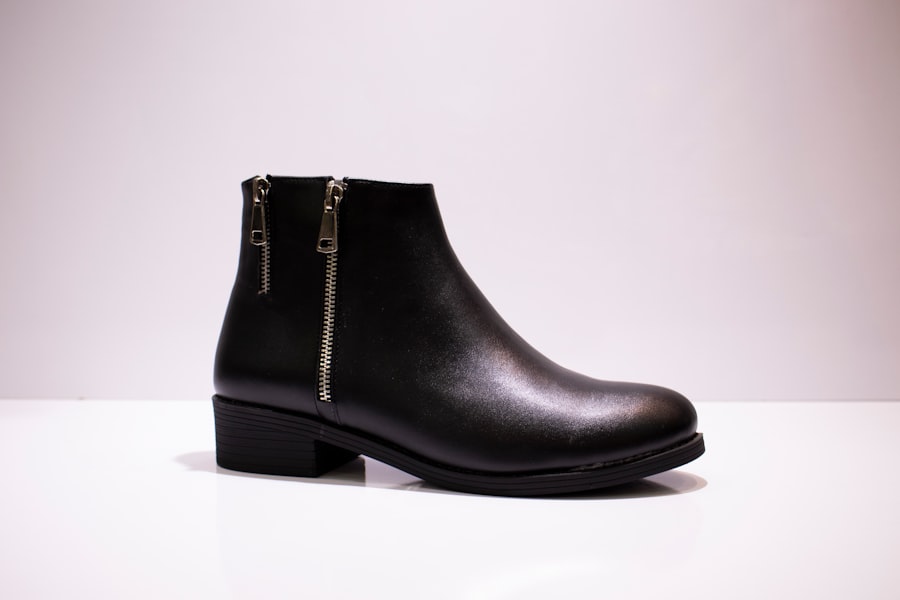
While chunky and robust styles have their place, the modern iteration of enduring boot design also embraces a more refined and svelte aesthetic. Emerging trends for winter 2026 highlight slim, narrow-toed leather silhouettes, focusing on skin-hugging, timeless forms. This focus on a sleek profile suggests a continued appreciation for elegance and a move away from overly ostentatious designs, mirroring a market that often rewards understated quality and efficiency.
The Resurgence of the Pointed Toe
The narrow-toed silhouette, often featuring a pointed or almond toe, has a long history in footwear. For 2026, this style is making a significant comeback, emphasizing a more streamlined and sophisticated look. These boots hug the leg and foot, creating a flattering and elongating effect. This is a departure from bulkier styles and speaks to a desire for footwear that is both elegant and impactful. The narrow toe, when paired with high-quality leather, can lend an air of refined luxury, much like a well-executed financial strategy that prioritizes precision and clear objectives. Their ability to complement a wider range of clothing, from tailored trousers to skirts and dresses, makes them a versatile asset in any wardrobe.
The Power of a Clean Line
The emphasis on “skin-hugging” and “timeless forms” in slim silhouettes points to a design philosophy that values clean lines and unadorned elegance. These boots rely on the inherent beauty of the leather and the precision of their cut to make their statement. The absence of excessive embellishments or unnecessary detailing allows the quality of the material and the craftsmanship to shine through. This mirrors the investor’s preference for companies with clear business models and efficient operations, where substance trumps superficiality. The power of a clean line in a boot lies in its understated confidence, its ability to convey sophistication without shouting for attention, a characteristic highly prized in both fashion and finance.
Beyond Fashion: The Investment Potential of Quality

Viewing leather boots through an investment lens requires looking beyond their immediate stylistic appeal. The true value lies in their durability, their craftsmanship, and their potential to hold or even increase in worth over time. This is akin to identifying companies with strong fundamentals, excellent management, and a sustainable competitive advantage, assets that are likely to perform well in the long run, regardless of short-term market noise.
The Concept of a “Wearable Asset”
In an era increasingly dominated by digital assets and fleeting trends, tangible goods that possess lasting utility and aesthetic appeal are gaining renewed appreciation. A well-made pair of leather boots can be considered a “wearable asset.” Like a classic watch or a well-crafted piece of jewelry, its value is derived not only from its material worth but also from its enduring functionality and the pleasure it provides to its owner. The ability to resole, repair, and maintain these boots ensures they can serve their wearer for many years, offering a tangible return on the initial investment through prolonged use and enjoyment. This stands in contrast to fast fashion items that degrade quickly and offer little to no residual value.
The Importance of Brand and Heritage (When Warranted)
While the focus here is on the intrinsic qualities of the boot itself, the brand and heritage associated with certain manufacturers can, in some instances, contribute to their investment potential. Brands that have a long-standing reputation for exceptional quality, master craftsmanship, and timeless design often command a premium price and tend to retain their value well. This is not about mere brand recognition; it’s about the assurance of quality that a reputable heritage brand provides. A brand that consistently produces Goodyear-welted boots from premium full-grain leather and offers resoling services is akin to a company with a century-long track record of profitability and dividend payments. The investment is in the consistent delivery of value. However, it is crucial to distinguish between genuine heritage and inflated marketing; the true measure lies in the product, not the PR.
The Long Game: Value Appreciation Through Care
The true investment potential of timeless leather boots is realized through a commitment to their care and maintenance. Just as an investor diligently monitors their portfolio, a boot owner must attend to their footwear. Regular cleaning, conditioning, and proper storage can significantly extend a boot’s lifespan and preserve its aesthetic appeal. Polishing and resoling, when necessary, are not hindrances but rather integral parts of an investment strategy for wearable assets. These practices ensure that the boots not only endure but also continue to look their best, maximizing their utility and potential for value retention. This long-term perspective, focused on sustained care and attention, is a hallmark of successful investing, whether in stocks or in footwear that is built to last.
Conclusion: An Investment in Enduring Quality
| Brand | Model | Leather Type | Construction | Average Lifespan | Water Resistance | Customer Rating (out of 5) | Price Range |
|---|---|---|---|---|---|---|---|
| Red Wing | Iron Ranger | Full-grain leather | Goodyear welt | 10+ years | Moderate | 4.7 | 300 – 350 |
| Wolverine | 1000 Mile Boot | Full-grain leather | Goodyear welt | 10+ years | Moderate | 4.6 | 250 – 300 |
| Thursday Boot Company | Captain | Full-grain leather | Goodyear welt | 7-10 years | Good | 4.5 | 200 – 250 |
| Blundstone | Original 500 | Premium leather | Direct injection | 8-12 years | Good | 4.4 | 180 – 220 |
| Chippewa | Classic Service Boot | Full-grain leather | Goodyear welt | 10+ years | Moderate | 4.3 | 250 – 300 |
The search for deep value in the investment world often leads one to seek out assets that possess inherent quality, enduring appeal, and a resilience to market fluctuations. In the realm of tangible goods, timeless leather boots, built with meticulous attention to material, construction, and classic design, offer a compelling analogy to these investment principles. They are not disposable commodities but rather functional works of art, capable of providing years, even decades, of reliable service and aesthetic pleasure.
The focus on classic silhouettes like the Chelsea boot and the biker boot, the emerging appreciation for slim, elegant forms, and the fundamental importance of durable construction all point to a discerning consumer base that values longevity and substance. When these attributes are combined with responsible care and a long-term perspective, leather boots transform from mere fashion accessories into wearable assets that hold their value and provide a consistent return on investment, measured in both durability and enduring style. For those who understand that true value lies in quality that stands the test of time, the timeless leather boot is an investment worth making.
FAQs
What makes leather boots last longer than other types of boots?
Leather boots are known for their durability because leather is a strong, flexible, and naturally water-resistant material. High-quality leather, combined with good craftsmanship and proper care, can significantly extend the lifespan of boots compared to synthetic materials.
How should I care for leather boots to ensure they last a long time?
To maintain leather boots, regularly clean them with a soft brush or cloth, apply leather conditioner to keep the material supple, and use waterproofing treatments to protect against moisture. Additionally, store them in a cool, dry place and use shoe trees to maintain their shape.
Are there specific types of leather that are better for long-lasting boots?
Yes, full-grain leather is considered the best for durability and longevity because it retains the natural grain and strength of the hide. Top-grain leather is also good but slightly less durable. Avoid bonded or corrected-grain leather if you want boots that last a long time.
Can resoling extend the life of leather boots?
Absolutely. Resoling worn-out soles can significantly extend the life of leather boots. Many high-quality leather boots are designed to be resoled multiple times, which helps maintain their comfort and functionality over many years.
Are leather boots suitable for all weather conditions?
Leather boots can be suitable for various weather conditions if properly treated. Waterproofing and conditioning help protect against rain and snow, but extremely wet or harsh environments may require specialized leather treatments or boots designed specifically for those conditions.